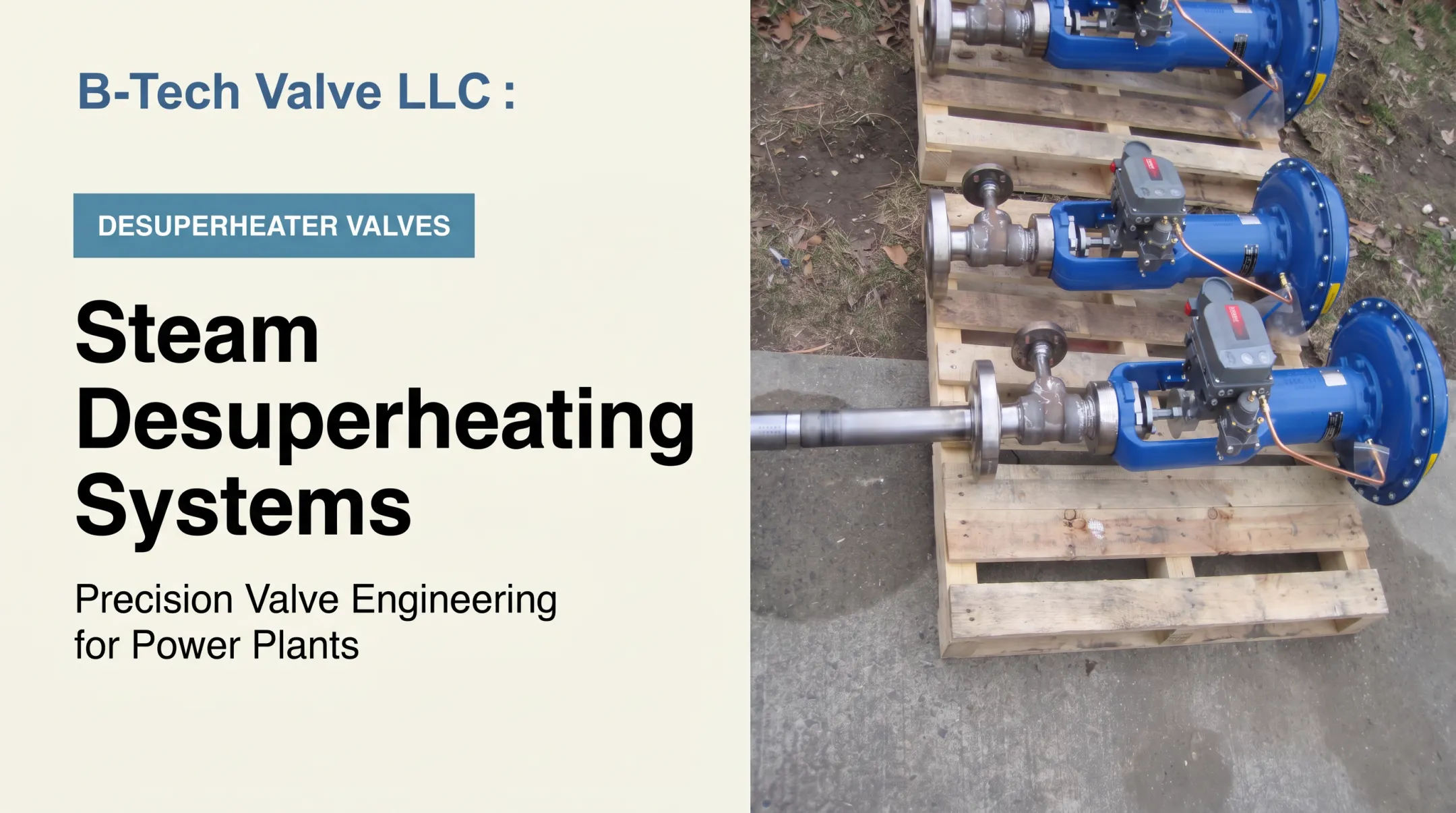
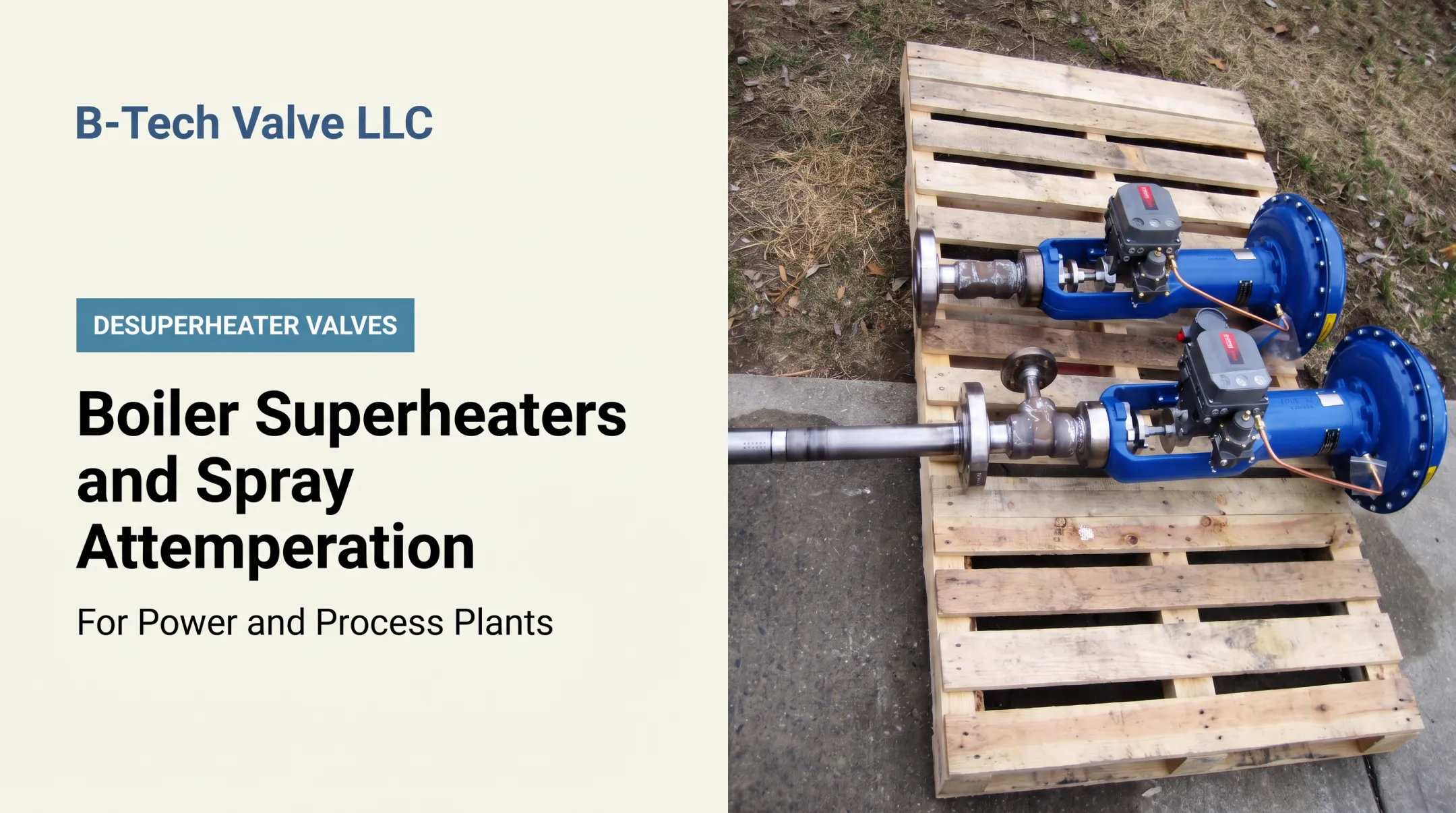
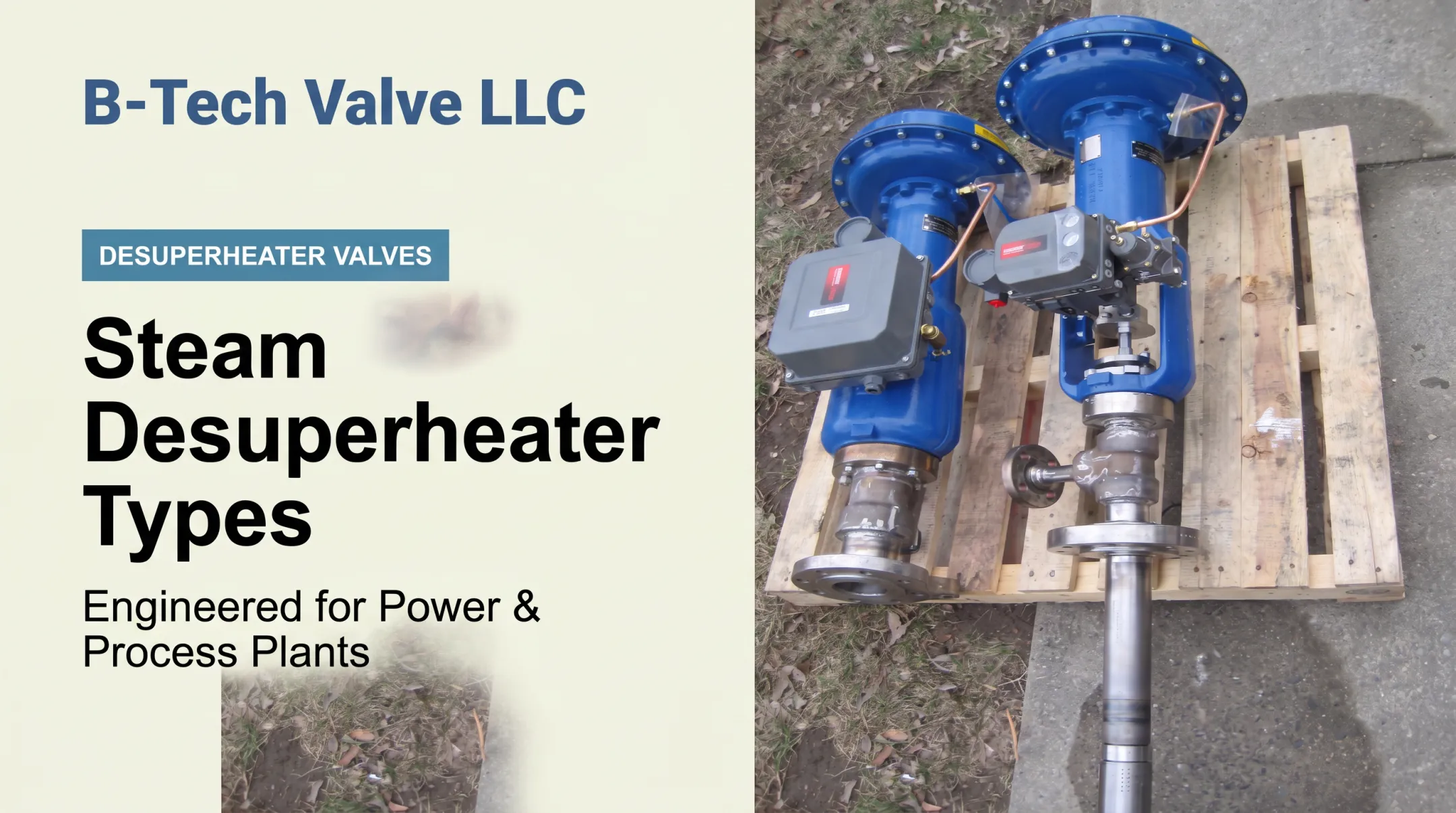
Many plant teams assume that water good enough for the boiler is automatically good enough for the spray nozzle. That assumption causes real problems. Feedwater treated for drum or watertube protection doesn't automatically meet the demands of a desuperheater probe or spray ring. The required quality depends on boiler pressure, nozzle geometry, mixing distance, and the materials in the wetted path.
According to IAPWS cycle chemistry guidance, contaminated injection water used for attemperation can deposit material in secondary superheaters, turbines, and pressure-reducing valves. This article breaks down which water-quality parameters matter, how operating conditions change the risk, how to specify and verify quality at the injection point, and what poor spray water looks like in the field.
Key Takeaways
- Spray water quality drives nozzle reliability, atomization, evaporation, and steam purity, not just boiler protection
- Hardness, dissolved solids, silica, pH, and dissolved gases each carry different risks at the injection point
- Water-quality limits are plant-specific; confirm them against current cycle chemistry guidance and the manufacturer's documentation
- Recurring blockage, unstable outlet temperature, or deposits can signal a water-quality issue as easily as a control fault
What Boiler Feedwater Quality Represents in Spray Desuperheating
Boiler feedwater combines treated makeup water, returned condensate, and chemical conditioning, all prepared to protect the boiler's drum, tubes, and internals. Spray water is different in one respect: it's the fraction of that stream, or a separate takeoff, actually injected into the steam line.
In a spray desuperheater, water passes through a valve, probe, or spray ring, breaks into droplets, and absorbs heat from the surrounding steam until it fully evaporates. Everything downstream depends on that evaporation finishing before the steam reaches the next bend, instrument, or piece of equipment.
Water quality affects this twice. As a design input, materials, nozzle sizing, and passage geometry are chosen around an expected chemistry and flow range. As an operating variable, real plant conditions drift from that original basis.
Factors That Influence Spray-Water Quality in Real-World Operation
Spray-water chemistry rarely stays where it started at the treatment plant. Common sources of drift include:
- Makeup-water seasonal variation in hardness and mineral content
- Condensate contamination from process leaks or cooling-water in-leakage
- Treatment-plant upsets, resin exhaustion, or membrane fouling
- Chemical overdosing during manual adjustments
- Stagnant branch piping that collects corrosion products between spray events
- Boiler load swings that change flow rate through the spray line
Mechanical conditions decide whether these contaminants actually matter. Pressure, temperature, turndown ratio, steam velocity, injection angle, and mixing distance before the next sensor all influence whether contaminants stay suspended in evaporating droplets or concentrate on a surface.
A desuperheater running at low flow with poor turndown produces coarser droplets that evaporate more slowly. That gives dissolved solids more time to deposit on nozzle tips or probe walls.
Clear water isn't proof of suitability. Dissolved minerals, ionic contamination, dissolved gases, and fine suspended particles are often invisible while still affecting spray equipment and the steam it conditions.

Quality Range and Technical Properties That Matter
There's no universal "safe" feedwater number for every spray desuperheater. Limits depend on boiler pressure, required steam purity, the water source feeding the spray line, wetted materials, nozzle geometry, and the manufacturer's design basis.
Treating a generic boiler-water table as a spray-water specification is a common shortcut, and an easy one to get wrong.
Nominal Operating Range
Parameters worth tracking at the spray-water takeoff include:
- pH and specific conductivity
- Total hardness and silica
- Dissolved oxygen
- Chloride and other anions
- Suspended solids, iron, and copper carryover
- Temperature and, where relevant, microbiological contamination
Each treatment step removes a different slice of this list:
- Softening removes hardness but leaves dissolved solids largely intact
- Demineralization and reverse osmosis strip ionic content but need polishing for trace carryover
- Filtration targets suspended particles, not dissolved chemistry
- Deaeration removes dissolved oxygen but does nothing for silica or chlorides
Treated makeup water, clean condensate, potentially contaminated condensate, and water pulled from a boiler or auxiliary system each carry a different risk profile. A sampling plan should treat them separately rather than assuming one analysis represents all of them.
Allowable Tolerance and Boundary Limits
Guidance from bodies like IAPWS, ASME, and EPRI frames its numbers as references requiring plant-specific adaptation, not universal design limits. EPRI's cycle chemistry guidelines distinguish normal operating ranges from action levels and control-room alarm thresholds, with separate guidance for annual exposure limits on critical parameters.
That structure matters for troubleshooting. A continuous operating limit, a short-term excursion, an alarm threshold, and a trip or shutdown condition are four different things. When guidance and the desuperheater manufacturer's documented limits disagree, the equipment and plant chemistry engineer's figures take precedence.
Rapid evaporation changes the math, too. Conductivity, hardness, silica, chlorides, and suspended solids that seem manageable in bulk water can concentrate sharply as a droplet shrinks toward full evaporation, leaving a deposit the original bulk analysis never predicted.

Safe Operating Margin and Technical Properties
Design margin should account for source-water variability, instrument uncertainty, gradual treatment degradation, and the rougher conditions of startup, shutdown, and low-load operation. Water quality that's acceptable at steady, full-load spraying can become unsuitable during rapid load swings or intermittent spray events. Treatment equipment then works harder with less time to stabilize.
Compatibility matters as much as cleanliness. Chemistry needs to suit the valve and nozzle materials, seals, welds, liners, and downstream piping.
Filtration has to catch particles fine enough to threaten narrow spray passages, not just the coarse debris a strainer basket stops easily.
There's a real trade-off here: over-treating water adds chemical cost, membrane and filter maintenance, and blowdown volume. Under-treating it risks deposits and nozzle wear that cost far more to fix later.
How Quality Is Specified, Measured, and Validated
Water quality for spray desuperheating is both a procurement requirement and an operating-control requirement. A specification describing conditions only at the water-treatment plant outlet misses the point. What matters is the chemistry and flow condition at the desuperheater inlet, after piping runs and any blending along the way.
Specification and Documentation
A design package worth handing to a desuperheater supplier should include:
- Water source and flow path, including any blending between makeup and condensate
- Normal and maximum spray-water flow, pressure, and temperature
- Minimum available pressure differential across the spray valve
- Current chemistry results and excursion history (pH, conductivity, hardness, silica, dissolved oxygen, suspended solids)
- Wetted materials, filtration, and treatment equipment in the spray-water path
- Condensate-return condition, if condensate feeds the spray line
- Required steam outlet temperature and purity
Suppliers typically need representative water-analysis reports, a piping and instrumentation diagram, line size, steam conditions, turndown requirements, and downstream mixing distance before confirming fit. B-Tech Valve's inquiry process, for instance, asks for steam and cooling-water conditions up front.
Sizing a probe-type LPD unit for a 6-inch line or a fixed-nozzle SPAD unit for a 4-inch line depends on that data, not pipe size alone. Matching those inputs to actual water chemistry is still a water-treatment engineering decision. Picking a desuperheater model doesn't substitute for it.
Measurement and Verification Methods
Laboratory and online instruments cover conductivity, pH, hardness, silica, dissolved oxygen, turbidity, chlorides, iron, and copper, depending on what the plant's chemistry program flags as a risk.
Sampling point selection matters as much as the analysis itself. Samples should represent water actually entering the desuperheater, and procedures need to avoid contamination, flashing, or delays that distort results.
Water analysis alone doesn't tell the whole story. Field verification should include:
- Nozzle differential pressure trends
- Spray-valve travel and response
- Outlet-temperature stability
- Downstream moisture or deposit checks
- Drain observations and inspection findings
A commissioning plan should establish baseline readings, alarm limits, sampling frequency, and a documented response for excursions, so operators spot a chemistry trend before it becomes a blocked nozzle.

Implications of Poor Spray-Water Quality and Common Misinterpretations
Poor spray-water quality follows a fairly predictable chain. Contaminants foul strainers or nozzle passages, distorting the spray pattern.
A distorted pattern produces larger droplets that take longer to evaporate, leaving wet steam downstream. Wet steam brings unstable temperature readings, erosion, corrosion, and deposits on surfaces never designed to handle liquid water.
The plant-level consequences follow from there:
- Thermal stress on piping and superheater tubes from unevaporated spray impingement
- Reduced heat-transfer performance downstream
- Damage to steam traps or rotating-equipment seals
- Increased maintenance frequency and forced outage risk
- Steam-purity problems affecting turbine blading or process quality
Babcock & Wilcox's service bulletin on industrial-boiler attemperators attributes most reported failures to thermal cycling rather than chemistry alone, documenting cracked components and debris carried downstream after mechanical damage. Not every blockage is a water-quality problem, even when it looks like one.
Common misinterpretations:
- Treating boiler feedwater as a single universal specification that covers spray injection too
- Assuming high-purity water eliminates all desuperheater risk, when droplet size and evaporation distance matter just as much
- Ignoring condensate contamination because the condensate "looks clean"
- Relying on one historical lab result instead of current, representative sampling
- Changing chemical treatment programs without reassessing the spray equipment downstream
Several mechanical and control issues can mimic a water-quality problem:
- Oversized desuperheater
- Operation below the required pressure differential
- Sensor mounted too close to the injection point
- Inadequate mixing distance
These produce the same symptoms as contaminated water. Troubleshooting should evaluate chemistry and mechanical conditions together, not jump to the easier explanation first.
Conclusion
Feedwater quality is an active design and operating parameter for every spray desuperheater on the system. Reliable performance depends on matching water chemistry, treatment, filtration, materials, spray-device design, and ongoing monitoring. Water good enough for the boiler is not automatically good enough for a nozzle or probe.
Before specifying, replacing, or troubleshooting a spray desuperheater, pull current water-analysis data and check it against the application's actual operating conditions, line size, pressure class, and mixing distance.
B-Tech Valve designs its LPD and SPAD units around that application data. It sizes probe-type and spray-ring desuperheaters for steam pipes from 4 inches up through 6 inches and larger, in ASME B16.34 pressure classes 150 through 2700 and temperatures up to 1200°F.
Plant operators, engineers, and outage teams get the most value from this review when it happens before a failure, using current analysis and application-specific engineering, not after a nozzle has already plugged.
Frequently Asked Questions
What is boiler feedwater?
Boiler feedwater is treated makeup water, returned condensate, and conditioning chemicals prepared for use inside the boiler. When that water, or a takeoff from it, feeds a spray desuperheater, its quality also governs nozzle reliability and steam purity downstream.
How hot is boiler feedwater?
Temperature varies with feedtank, deaerator, and condensate-return conditions, often running around 185-195°F (85-90°C) in a vented feedtank. Allowable spray-water temperature still needs checking against the desuperheater's pressure rating, cavitation risk, and evaporation requirements.
What is a boiler feedwater pump?
A boiler feedwater pump raises conditioned feedwater to the pressure required by the boiler or a spray-water injection point. Adequate suction conditions and stable water temperature matter here too, since cavitation changes droplet behavior at the nozzle.
What is the main purpose of a control valve?
A control valve modulates flow in response to a control signal. In a spray desuperheater, that valve regulates injection-water flow to hold downstream steam temperature at its target, working alongside the spray nozzle or probe rather than replacing it.
What does a boiler feed valve do?
A boiler feed valve controls or isolates water entering the boiler itself, a different function from the spray-water control valve on a desuperheater. Confusing the two can lead to specifying the wrong component for temperature control.
What is the purpose of a feed check valve in a boiler?
A feed check valve lets feedwater into the boiler while helping prevent reverse flow when the pump stops. It's not a substitute for water-quality treatment, filtration, or desuperheater control; those remain separate requirements.