Power plants, refineries, chemical plants, cogeneration facilities, pulp and paper mills, and waste-to-energy sites all generate hot exhaust or process streams that would otherwise be rejected. Waste heat recovery steam systems capture that energy instead of wasting it.
Most plant operators understand the concept. Fewer understand the mechanics: how variable waste heat becomes controlled steam, how that steam gets conditioned for safe use, and how it integrates with downstream turbines, headers, and process equipment. This guide covers the operating sequence in practical terms, separates it from wastewater or drain heat recovery, and ties steam quality directly to plant reliability.
Key Takeaways
- Waste heat recovery steam systems capture exhaust or process heat and convert it into usable steam
- Performance hinges on heat-source temperature, flow stability, cleanliness, and water chemistry
- Operating sequence runs from heat-source assessment through generation, separation, and delivery
- Recovered steam often needs desuperheating to protect piping, traps, and rotating seals
What Is a Waste Heat Recovery Steam System?
A waste heat recovery steam system uses a heat exchanger, waste heat boiler, heat recovery steam generator (HRSG), or similar arrangement to pull thermal energy from exhaust gas or another hot process stream and transfer it into water, producing steam.
The problem it solves is straightforward. A plant burns fuel or runs a high-temperature process, and a meaningful share of that energy leaves as flue gas, exhaust, or hot liquid.
DOE describes waste heat boilers as water-tube boilers that use medium- to high-temperature exhaust to make steam for process use or power generation, rather than firing additional fuel to do the same job directly. DOE's engineering assessment notes that heat quantity alone doesn't establish recovery opportunity. Temperature matters just as much, since it's a measure of heat quality.
What It Is Not
It helps to separate this equipment from things it resembles but isn't:
- Not a conventional fired boiler: a fired boiler adds fuel directly to generate heat; a recovery system uses heat that already exists in a byproduct stream
- Not a generic heat exchanger: many heat exchangers transfer energy without producing steam at all
- Not wastewater or drain heat recovery: those systems capture low-grade heat from used water, not high-temperature industrial exhaust
Main System Types
Three broad configurations cover most industrial applications:
- Heat recovery steam generators (HRSGs) connected to gas turbines or combustion exhaust
- Waste heat boilers connected to industrial furnaces or kilns
- Process heat recovery units connected to hot liquids or vapors from a manufacturing process
Within these categories, drum-type arrangements separate steam from water in a dedicated vessel, while once-through or packaged designs handle that conversion differently. The right configuration depends on site-specific heat-source conditions and steam requirements.
Even as plants explore electrification, heat pumps, and organic Rankine cycle (ORC) systems, steam retains a clear role. It drives turbines, supports deaeration, heats buildings, feeds process headers, and serves multiple users through one existing distribution network. Few alternatives can match that flexibility.
A typical flow path looks like this:
- Hot exhaust or process stream enters the recovery unit
- Heat transfers across tube surfaces to feedwater
- Feedwater converts to steam
- Steam passes through separation and conditioning equipment
- Conditioned steam exits to the downstream user, while condensate and blowdown are managed on the water side

How Does a Waste Heat Recovery Steam System Work?
The system functions as a linked sequence. Available waste heat has to be matched to water flow, steam pressure, temperature, and demand, all while staying inside safe operating limits. Miss that match in either direction and you either underuse the resource or risk damaging downstream equipment.
Heat-Source Assessment and Initiation
Operation starts with identifying a usable heat source. That means measuring or estimating its:
- Temperature and flow rate
- Chemical composition
- Pressure
- Variability over time
- Operating schedule
Whether the source is continuous, batch-based, load-dependent, or tied to another plant process directly determines recoverable steam output. A gas turbine running at steady load behaves very differently from a batch kiln cycling on and off.
Common bottlenecks include:
- Insufficient temperature difference between source and steam
- Fluctuating exhaust flow
- Startup and shutdown swings
- Fouling and corrosive constituents in the exhaust stream
The recovery system also can't compromise the primary process. That safety requirement overrides everything else.
Heat Transfer and Feedwater Heating
Hot gas, vapor, or liquid passes across heat-transfer surfaces while feedwater absorbs energy without physically mixing with the heat source. The typical progression moves from economizing (preheating feedwater) into evaporation, though the exact arrangement varies by design and required steam conditions.
Heat-transfer performance ties directly to practical variables:
- Surface area and gas velocity
- Temperature difference between streams
- Pressure drop across the unit
- Fouling and corrosion on heat-transfer surfaces
- Cleanliness of the heat source itself
The relationship between exhaust conditions and steam output isn't theoretical. DOE and EPA's CHP catalog shows typical 3–45 MW gas-turbine systems pairing exhaust flows of 149,200 to 1,047,000 lb/hour with unfired-HRSG steam outputs ranging from 19,650 to 138,640 lb/hour.

These figures cover different turbine models rather than a universal output curve. They still show how exhaust flow and temperature shape what the recovery unit can deliver.
Steam Generation, Separation, and Delivery
Heated feedwater becomes a two-phase water-and-steam mixture in the generating section. From there it moves through a steam drum, separator, superheater, or equivalent equipment, depending on the design.
Separation matters because moisture in the steam has to be controlled before that steam reaches a turbine, process header, or heat exchanger. Recovered steam typically serves one or more of these roles:
- Process heating
- Mechanical or electrical power generation
- Deaeration
- Facility heating
- Integration with an existing boiler and condensate-return system
The system also has to accommodate shifting demand. Producing more steam than the downstream system can safely absorb is just as much a problem as producing too little.
Regulation, Desuperheating, and Protection
Instrumentation and control valves continuously monitor and adjust pressure, temperature, water level, flow, bypass paths, and steam demand as plant conditions change. Steam temperature in particular often needs to come down after superheating, or during load swings, to hit a specified condition before reaching sensitive equipment.
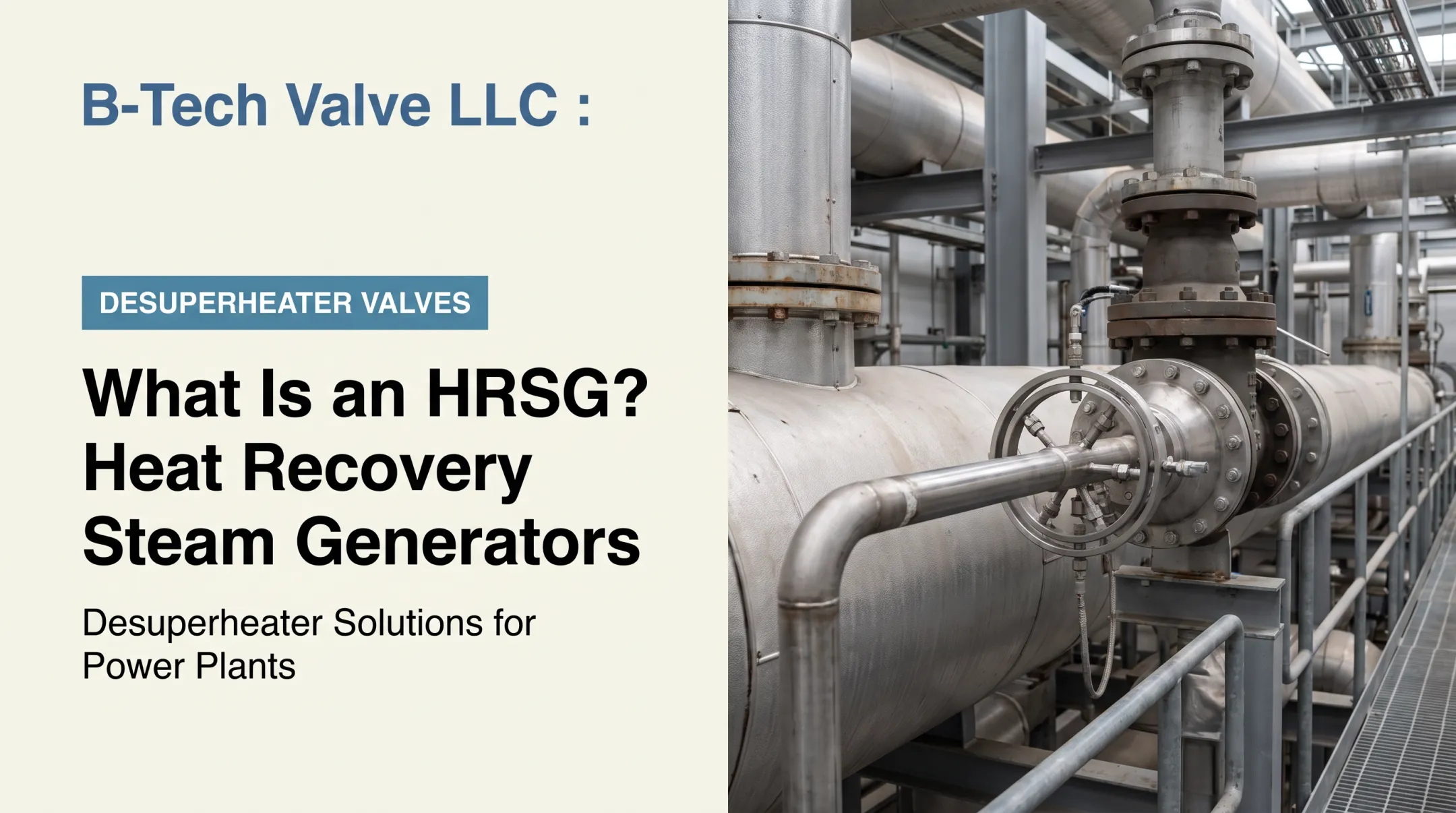
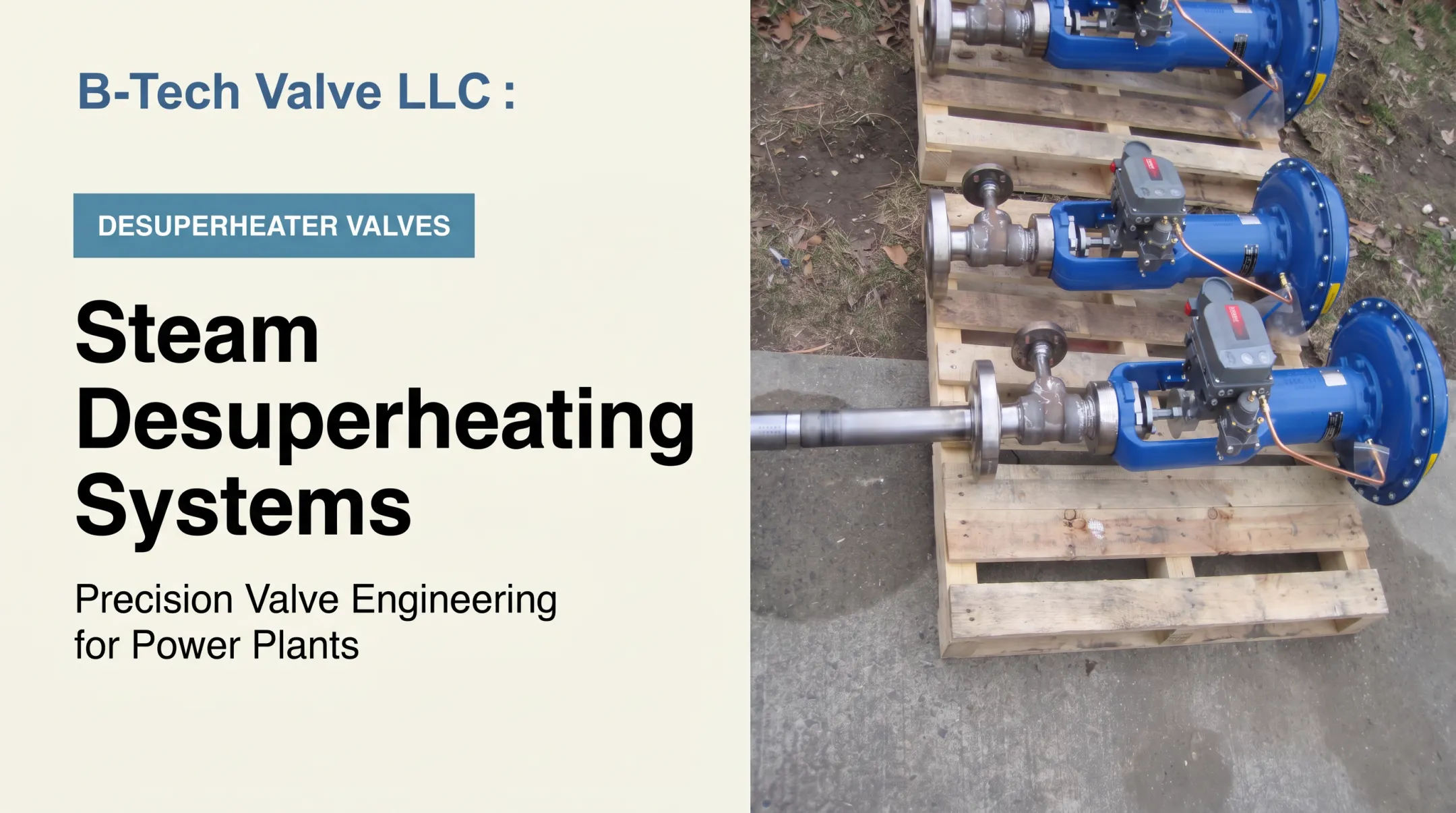
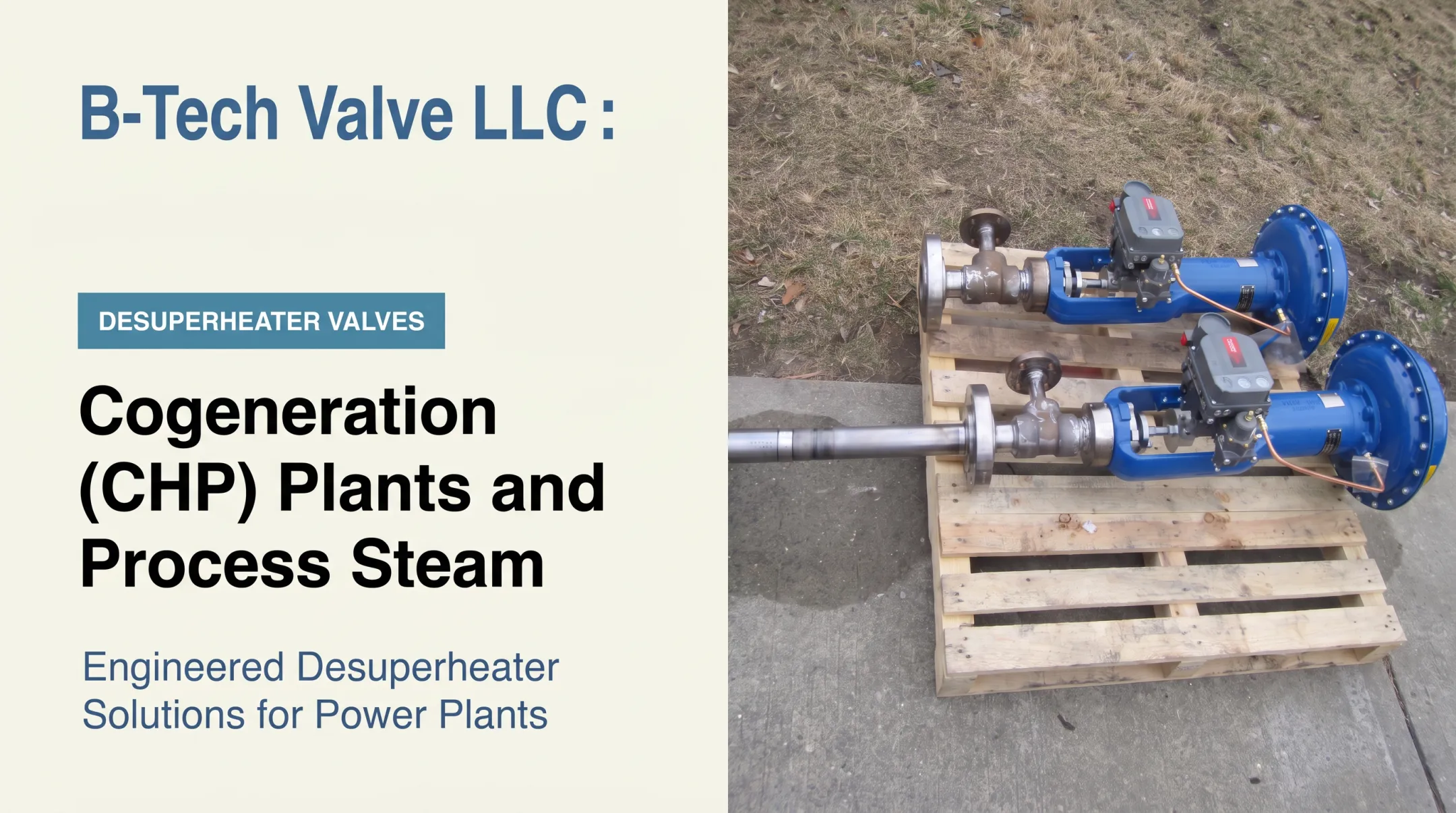
Controlled water injection — desuperheating or attemperation — brings steam to that target condition. This is where B-Tech Valve's equipment fits into the broader picture: the company builds application-engineered desuperheater and attemperator valves for power and process plants, including LPD assemblies for large-diameter steam lines and SPAD units for smaller piping. These aren't complete HRSG packages; they're the conditioning component that sits downstream of steam generation.
Inadequate steam conditioning carries real consequences. EPRI documents that water induction into a steam turbine can cause thermal shock, component overload from denser fluid, and rubbing from thermal distortion — with outcomes ranging from minor seal rubs to catastrophic failure.
Emerson's steam conditioning guide adds that low steam velocity can let water fall out of suspension, damaging downstream piping and impairing temperature control, while poor spray distribution creates uneven steam temperatures. Too much spray water produces wet saturated steam needing separation; too little fails to cool the steam enough.
Valve selection should weigh more than nominal pipe size:
- Line size and pressure class
- Operating temperature and flow range
- Spray-water quality
- Control response speed
- Materials of construction
- Installation geometry
Output, Integration, and Performance Review
The final output is steam at a controlled pressure, temperature, flow rate, and quality, routed to whatever process or power-generation equipment needs it. Getting there reliably also depends on condensate recovery, feedwater treatment, blowdown, venting, drains, and bypass arrangements — all of which affect overall efficiency and availability.
Worth tracking on an ongoing basis:
- Recovered steam flow and heat-source temperatures
- Pressure stability and pressure drop across heat-transfer surfaces
- Water consumption and fouling rate
- Unplanned trips
- Fuel displacement at the primary boiler
For context on auxiliary equipment, DOE's economizer tip sheet notes that boiler efficiency rises roughly 1 percentage point for every 40°F reduction in flue-gas temperature, and economizers can often cut boiler fuel use by 5–10%.
That figure is a feedwater-economizer benchmark, not a guarantee for every WHRB or HRSG installation. It still shows the scale of gains available from recovering heat already generated.
A commissioning and operating review should compare actual performance against the original design heat balance, accounting for seasonal variation, turndown behavior, maintenance intervals, and any changes in the upstream process since startup.
Where Waste Heat Recovery Steam Systems Are Used
Hot exhaust or process gas leaves combustion or manufacturing equipment. The recovery unit transfers that heat to feedwater, and conditioned steam enters a process or utility header. That basic pattern repeats across several major U.S. applications:
- Gas-turbine combined-cycle and cogeneration plants using HRSGs to convert turbine exhaust into steam
- Refineries and chemical plants, where boilers and heat recovery steam generators serve as major steam sources
- Cement operations: Holcim's Alpena, Michigan plant uses waste heat boilers to convert kiln exhaust into steam for turbine-generators, according to an LBNL field report
- Pulp and paper mills, often combining recovery boilers with on-site electric generation
- Waste-to-energy facilities: EPA counts 75 U.S. facilities across 25 states, mostly in the Northeast, converting combustion heat into steam for turbine-generators
- Campus, district-heating, and combined-heat-and-power systems using recovered steam for heating or process loads
When Recovery Makes Sense
Recovery projects pencil out best under specific conditions:
- A stable, sufficiently hot heat source
- Steam demand located nearby
- Compatible operating schedules between source and user
- Available space for new equipment
- Manageable exhaust chemistry (low corrosivity, limited fouling)
- A retrofit path that justifies the capital cost
Steam vs. ORC vs. Direct Heat Recovery
Not every waste heat source suits a steam system. EPA's waste heat to power screening guidance offers a useful dividing line. Steam Rankine systems typically suit sources above 500°F and remain the most common waste-heat-to-power technology. ORC systems can use sources as low as 300°F and run more efficiently in that moderate range.
| Factor | Steam Rankine / WHRB | ORC |
|---|---|---|
| Typical source temperature | Above 500°F | As low as 300°F |
| Industry familiarity | Widely established | Smaller, sub-megawatt packages common |
| Best fit | Plants already needing steam | Lower-temperature sources, limited cooling water |
Direct hot-water or feedwater preheat recovery is a third option. Finned-tube exchangers handle low- to medium-temperature exhaust without generating steam at all. That approach suits plants that need hot water or preheated feedwater more than steam itself.

Retrofit and Replacement Considerations
Before selecting equipment for a retrofit, assess:
- Heat-source data (temperature, flow, chemistry)
- Existing steam headers and pressure classes
- Control system compatibility
- Available outage windows
- Maintenance access
- Downstream steam-conditioning needs
For plants replacing aging steam-conditioning equipment, stocked, U.S.-made options like B-Tech Valve's LPD and SPAD desuperheaters are worth considering for compatible retrofit applications, subject to proper application sizing and engineering review rather than off-the-shelf substitution.
Conclusion
A waste heat recovery steam system is an integrated chain: heat capture, feedwater heating, steam generation, separation, control, conditioning, and downstream delivery. Each link affects the others.
Getting the best result means matching the heat source to actual steam demand while managing fouling, corrosion, water chemistry, variable loads, and steam temperature simultaneously. None of these variables sit in isolation.
Understanding how the system actually works, not just that it recovers heat, leads to better decisions on feasibility studies, HRSG or boiler integration, control strategy, maintenance planning, and desuperheater selection when steam conditions need protecting.
Frequently Asked Questions
What is waste heat recovery?
Waste heat recovery means capturing thermal energy that would otherwise be rejected and putting it to use : heating another stream, generating electricity, or recycling it back into a process. This guide focuses specifically on systems that convert industrial exhaust or process heat into usable steam.
What is a wastewater heat recovery system?
Wastewater heat recovery captures low-grade thermal energy from used water, such as drain water from showers or industrial rinse cycles. It operates at much lower temperatures than industrial waste heat recovery steam systems and uses entirely different equipment.
Do drain heat recovery systems work?
Yes, when flow rate, temperature, usage pattern, and heat-sink demand line up well. Performance varies significantly by building or process, so site-specific evaluation matters more than general assumptions.
How much does a wastewater heat recovery system cost?
Cost depends on source temperature, flow rate, equipment size, installation complexity, water quality, and required output. A site-specific assessment will give a far more reliable figure than any generic price estimate.